Service Area
Window Replacement in Jacksonville Beach, FL
Salt air changes everything about a coastal window project. Airborne chloride reaches hardware, fasteners and frame finishes well inland of the dune line, and the combination of wind-driven rain and constant humidity puts far more stress on seals than an inland home ever sees.
This page covers what actually holds up in Jacksonville Beach — frame and hardware materials, glazing choices, and installation details that determine whether a window lasts a decade or three.
How salt air attacks windows
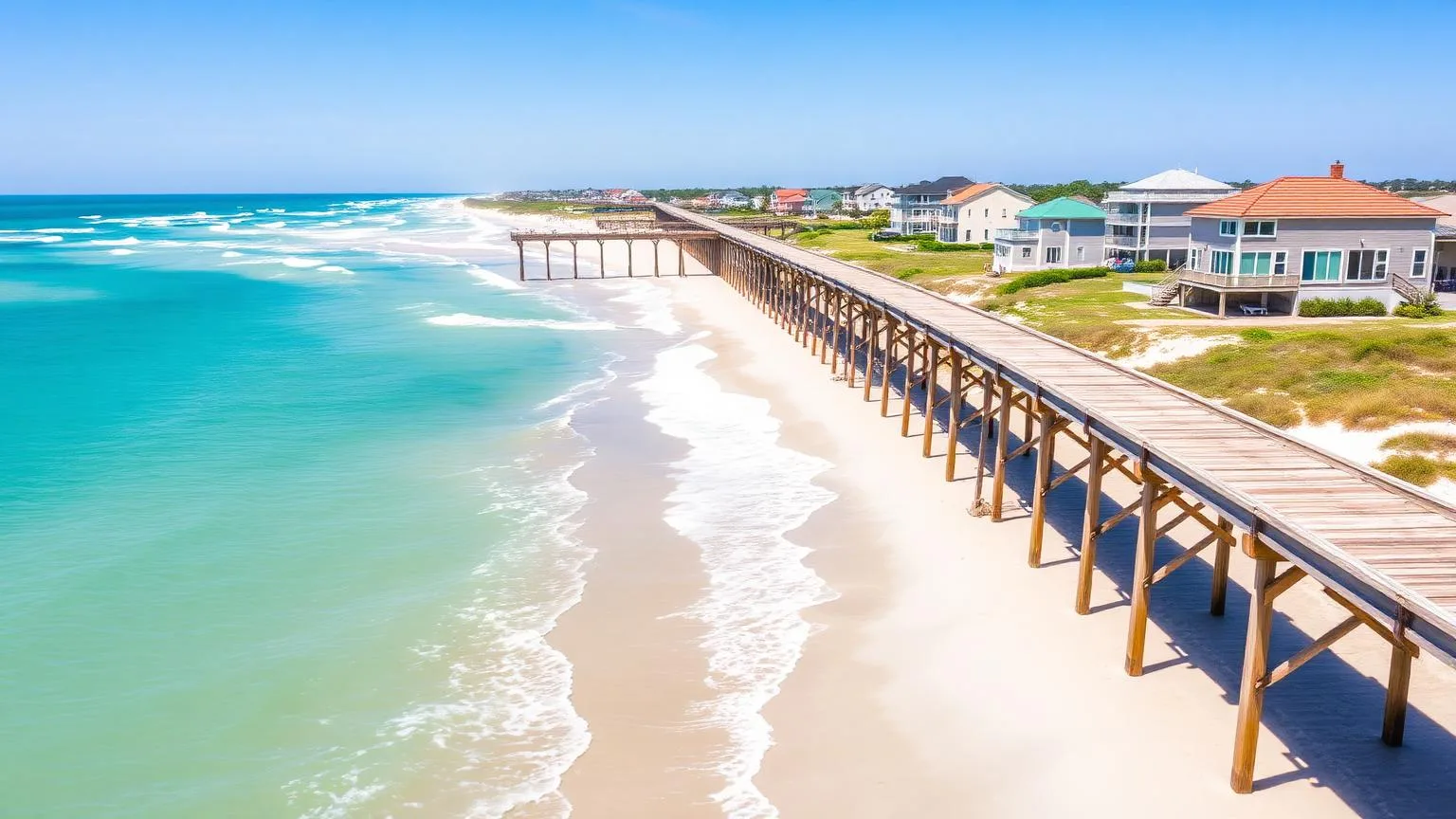
Chloride deposition accelerates corrosion of metals and degrades finishes. In practice it shows up first at hardware — locks, hinges, balance mechanisms and fasteners — then at frame finishes and fastener heads, and eventually at the glazing seal edge where corrosion products break the bond.
Distance from the ocean matters, but so does prevailing wind. Homes several blocks inland on an unobstructed east-facing street can see more salt exposure than a sheltered property closer to the dune.
- Stainless steel hardware and fasteners substantially outlast standard finishes here
- Vinyl and fiberglass frames avoid the corrosion problem the frame material itself creates
- Anodized or high-performance coated aluminum performs far better than mill finish
- Rinsing hardware and tracks with fresh water is genuinely effective maintenance at the beach
Wind exposure and impact glazing
Coastal properties experience higher design wind pressures and greater wind-borne debris exposure than inland Jacksonville. Impact-rated laminated glazing in a reinforced frame is the most common response, and it is standard practice in much new beach construction.
Whether impact-rated products are required for a specific address depends on mapping applied by the local building department and the scope of the permit. Confirm requirements for your property with the City of Jacksonville Beach or the applicable authority rather than assuming a general rule.
Ask for the product approval documentation for the specific units quoted, including the design pressure rating for each size and configuration in your project. Ratings vary by size — a rating for one unit does not automatically apply to a larger one.
Frame and hardware choices that last at the beach
- Vinyl — no corrosion path, low maintenance and a good value for most beach homes
- Fiberglass — very stable, strong, and well suited to large oceanfront openings
- Coated or anodized aluminum — slim sightlines with far better coastal durability than mill finish
- Stainless hardware and fasteners — a specification worth requesting explicitly
- Corrosion-resistant screen frames and hardware, which are often overlooked in quotes
Sun, glare and heat on oceanfront glass
Beach homes often have large east-facing glass to capture the ocean view, which means intense morning sun and reflected glare off water and sand. Low-SHGC Low-E coatings reduce heat gain while keeping the view clear, which matters more here than in almost any other Jacksonville setting.
Laminated glazing has a useful side benefit: the interlayer blocks a large share of ultraviolet light, which slows fading of the furnishings and flooring that oceanfront living rooms tend to expose to constant daylight.
Installation details specific to coastal homes
Water management is the whole game near the ocean. Wind-driven rain is pushed horizontally and even upward against openings, so sill pans, end dams, correctly lapped flashing and continuous perimeter sealing are not optional details.
Existing openings in older beach cottages frequently reveal corroded fasteners and previous repairs made with sealant alone. Full-frame replacement is common here because it allows those conditions to be corrected properly.
Cost planning for Jacksonville Beach projects
Beach projects generally sit at the higher end of local pricing because impact-rated products, upgraded hardware, larger view windows and access constraints all push cost up together.
Older cottages with a modest opening count can still be very manageable, while oceanfront homes with expansive glass and second- or third-floor openings represent the top of the range. Modeling both impact and non-impact options on our cost calculator is a useful first step.
Nearby areas served
Projects in Jacksonville Beach frequently extend to Neptune Beach, Atlantic Beach, Ponte Vedra Beach and the Intracoastal communities along Beach Boulevard and JTB.
Questions
Frequently asked questions
Answers are shown in full — no hidden panels to click through.
Do I need impact windows in Jacksonville Beach?
Requirements depend on your specific address, the wind-borne debris mapping applied to it, and the scope of your permit. Coastal properties are more likely to fall under opening-protection requirements, but the determination belongs to your local building department, so confirm it before ordering.
How does salt air affect replacement windows?
Airborne chloride corrodes metal hardware and fasteners and degrades finishes over time, usually showing up at locks, hinges, balances and screen frames first. Vinyl and fiberglass frames avoid frame corrosion entirely, and specifying stainless hardware significantly extends service life.
What maintenance do beach windows need?
Rinsing frames, tracks and hardware with fresh water several times a year removes salt deposits before they do damage. Keeping weep holes clear, inspecting perimeter sealant annually and lubricating hardware with a marine-appropriate product all extend life meaningfully.
Are aluminum windows a bad idea at the beach?
Not inherently — but finish quality matters enormously. Mill-finish aluminum corrodes quickly in this environment, while properly anodized or high-performance coated aluminum performs well. Where slim sightlines are not essential, vinyl and fiberglass avoid the issue altogether.
Will impact windows help with the noise from the beach and traffic?
Generally yes. The laminated interlayer in impact glass dampens sound transmission, which many oceanfront and near-beach homeowners notice along busy corridors and during high surf. Acoustic performance still depends on the whole assembly and its installation.
Free Estimate
Get a coastal window estimate in Jacksonville Beach
Share a few details about your home and windows, and we will help you compare realistic options and planning ranges.
4720 Salisbury Rd, Suite 734 · Jacksonville, FL 32256