
Before & After
Before & After: What Window Replacement Changes
The visible difference in a window replacement is only part of the story. The changes homeowners actually report months later are about comfort, noise, operation and light — things a photograph cannot fully show.
This page pairs representative imagery with a plain description of what changes, what does not, and how to judge whether your own windows have reached the point of replacement.
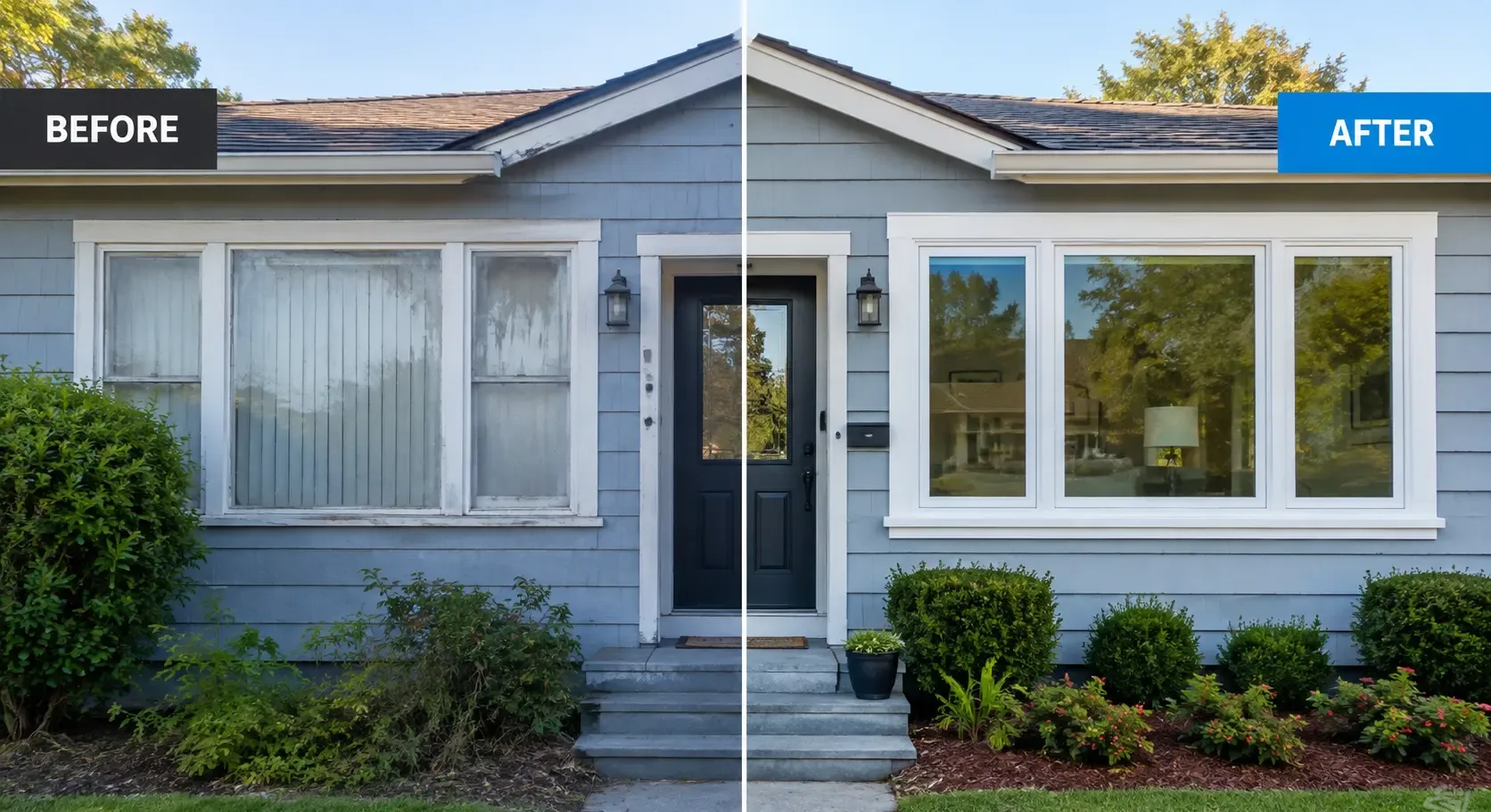
What changes visibly
- Cleaner sightlines — modern frames and consistent grid patterns tidy up a facade immediately.
- Clear glass — fogged and hazy insulated units are replaced with glass you can actually see through.
- Straight, even reveals — replacing warped or settled units restores square lines around the opening.
- Consistent color — a whole-elevation replacement removes the patchwork of different frame ages and finishes.
- Restored interior trim — casing and sills damaged by decades of moisture get repaired or replaced.
What changes that you cannot photograph
Air infiltration is the biggest one. Old aluminum and jalousie units leak continuously, and eliminating that leakage changes how a room holds temperature far more than the glass specification alone does.
The second is solar heat gain. A west-facing room with clear single-pane glass can feel unusable by four in the afternoon; the same room with a low-SHGC package stays usable. Homeowners describe this as air conditioning working better, though the equipment has not changed.
- Rooms hold temperature longer and cooling cycles even out
- Traffic and neighborhood noise drops noticeably with laminated glass
- Sashes open and lock with one hand instead of a shoulder
- Condensation on interior frames largely disappears with thermally improved frames
- Fading of flooring and furnishings slows with UV-filtering laminated or coated glass
What replacement will not fix
Windows are one part of a building envelope. If a home has minimal attic insulation, leaking ducts, an undersized or aging air conditioning system, or air leakage at the attic hatch and can lights, new windows will improve comfort but will not resolve the underlying load.
Similarly, condensation on the interior glass surface in humid conditions is a humidity issue rather than a window defect, and moisture between panes is the only condensation that indicates seal failure.
Be cautious of any specific savings percentage promised for window replacement. Real results depend on your existing windows, insulation, ductwork, equipment and habits — and honest contractors say so.
How to judge your own windows
Walk each elevation with three tests. First, operate every sash: does it move smoothly, stay where you put it and lock without force? Second, look at the glass edges for haze, streaking or visible moisture between panes. Third, on a windy day, run the back of your hand around the perimeter and along the meeting rail to feel for air movement.
Then check the exterior: cracked or missing sealant, soft wood at the sill, corrosion on hardware and fasteners, and daylight visible at the frame perimeter are all signals worth acting on.
Repair versus replace
A single fogged unit in an otherwise sound window can sometimes be addressed by replacing the insulated glass unit rather than the whole window. Broken balances, worn weatherstripping and failed locks are routine repairs.
Replacement makes more sense when several units are affected at once, when frames are corroded or decayed, when the glass package is fundamentally wrong for the exposure, or when you want storm-rated protection that an existing frame cannot accept.
Visual reference
Window types and settings
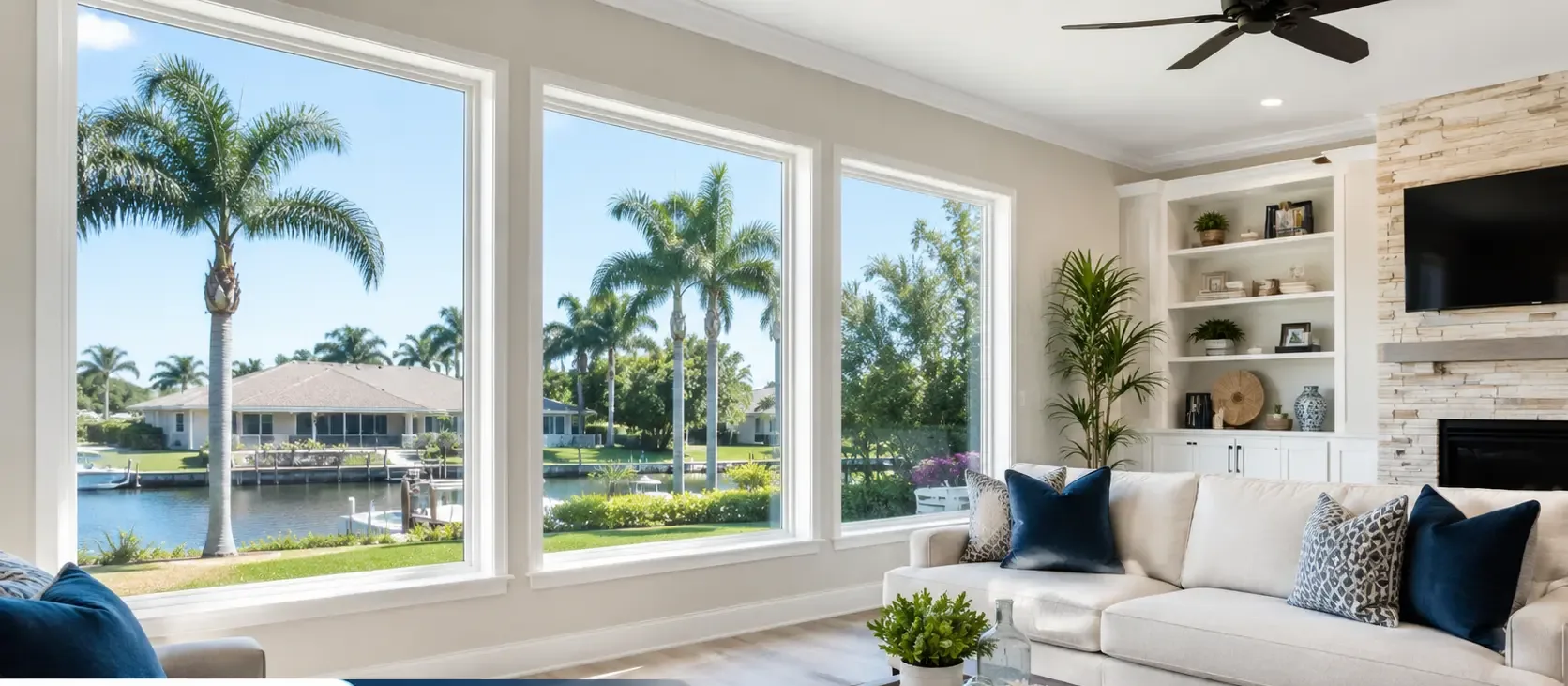
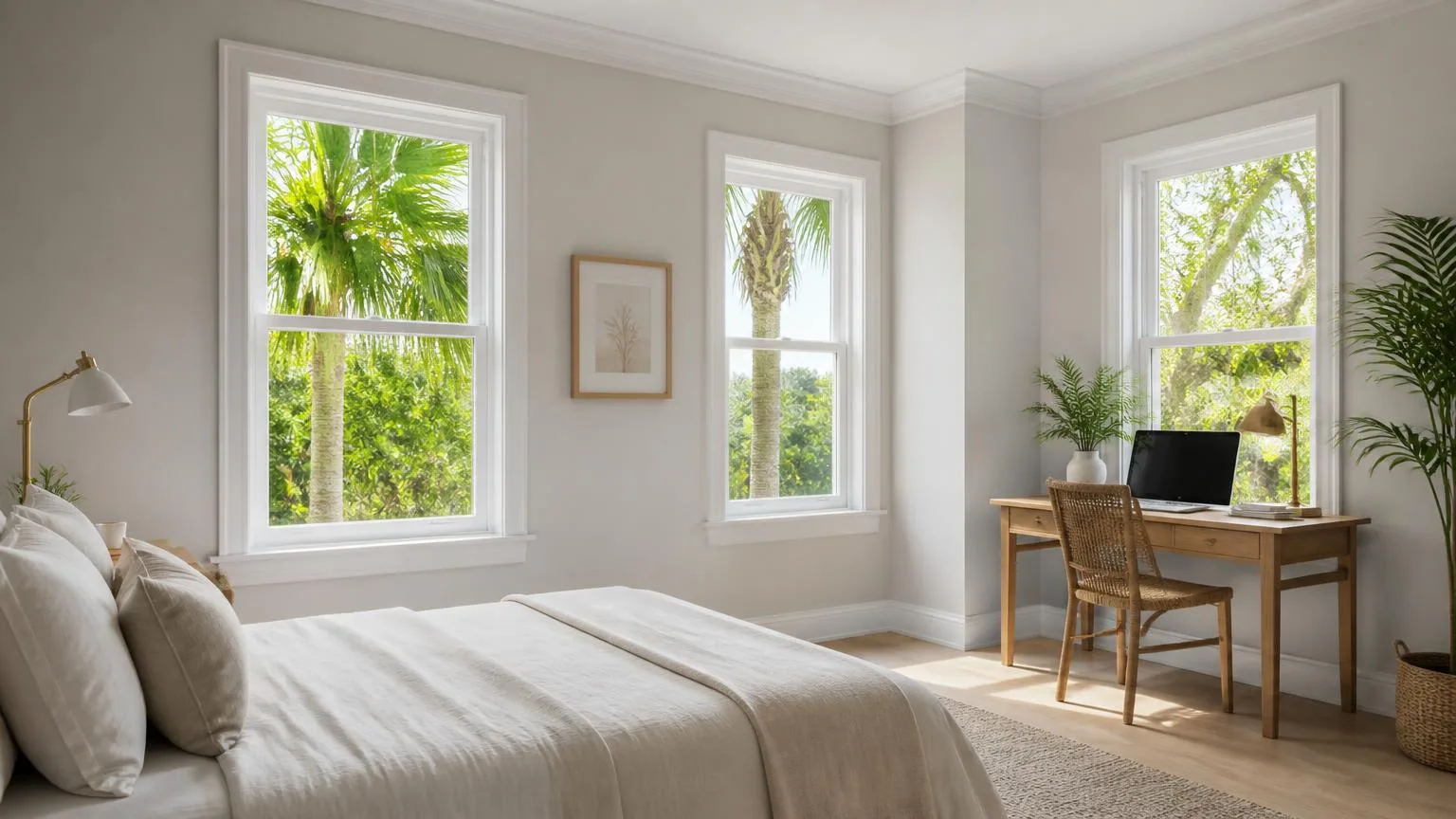
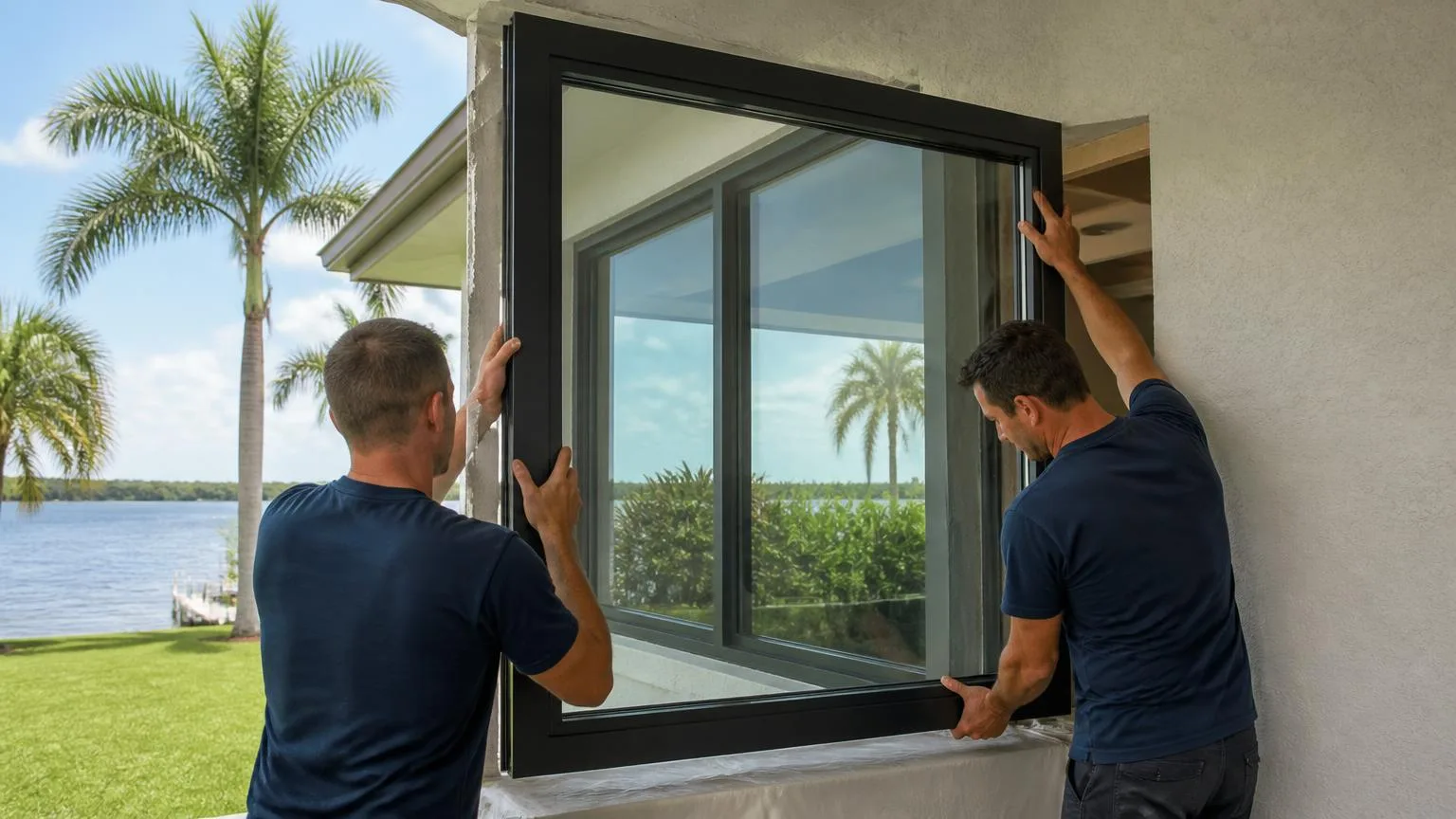
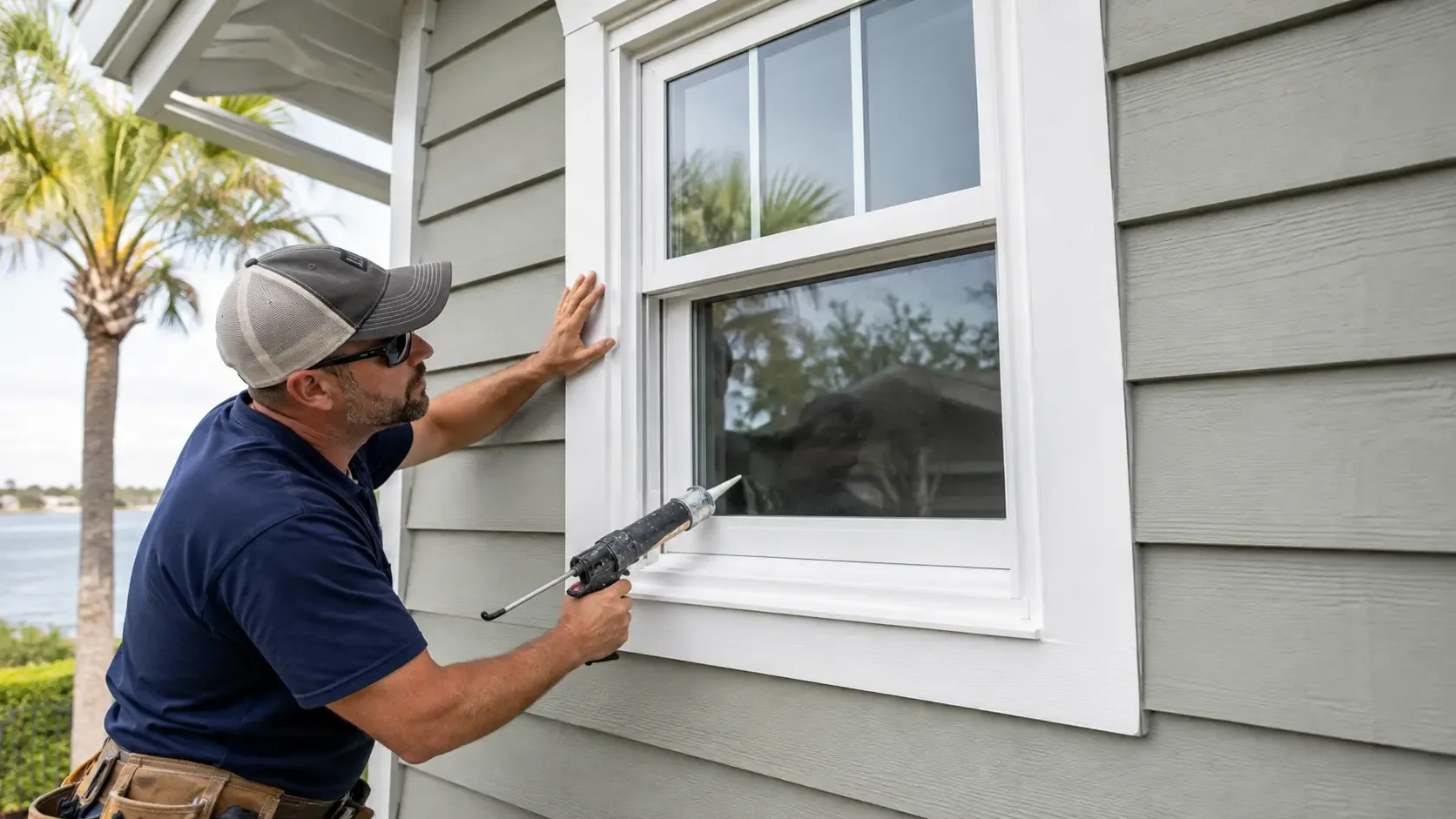
Representative imagery showing the kinds of units, rooms and installation work involved in a Jacksonville replacement project.
Self assessment
Should your windows be replaced?
Check the statements that apply to your home. Several of these are repairable on their own — the pattern matters more than any single item.
Select any signs you have noticed in your home.
See Your Replacement OptionsQuestions
Frequently asked questions
Answers are shown in full — no hidden panels to click through.
Are these photos of your completed projects?
The imagery on this site is representative and depicts window types, installation work and Jacksonville-area settings rather than documenting a specific address. We do not present stock or illustrative imagery as verified project photography.
How much difference will I actually notice?
The largest changes come when replacing single-pane aluminum or jalousie windows, where air leakage and heat gain both drop sharply. Upgrading from a reasonably good insulated unit to a newer one is a smaller step, and expectations should be set accordingly.
Can I replace just the fogged glass instead of the whole window?
Sometimes. If the frame and hardware are sound and the manufacturer's glass unit is available in that size, replacing the insulated glass unit is cheaper. If the frame is corroded, the balances are worn or several units are failing, whole-window replacement is usually the better value.
Will new windows increase my home's value?
Replacement windows are consistently reported as one of the better-recovering exterior improvements, and in coastal Florida impact-rated glazing can also affect insurance considerations. Actual effect on value depends on your market, the home and the quality of the installation.
How do I know if condensation means my window failed?
Moisture on the interior surface of the glass is a humidity condition, not a defect. Moisture trapped between the panes, which cannot be wiped away, means the insulated glass seal has failed and the unit or glass needs replacement.
Free Estimate
Wondering whether your windows are worth replacing?
Share a few details about your home and windows, and we will help you compare realistic options and planning ranges.
4720 Salisbury Rd, Suite 734 · Jacksonville, FL 32256